
The 10 most bought used cars in Europe, and what to check on each
We looked at 63,435 VIN checks to see what Europe actually buys used. It leans heavily German, and knowing the usual suspects pays off before you buy.


A small group of models, most of them German, makes up the bulk of Europe's used car market.
When someone runs a VIN check they are usually about to buy, so the most checked cars double as the most bought. A clear pattern shows up: a small group of models, most of them German, makes up the bulk of the market.
What Europe actually buys
At model level the Volkswagen Golf and BMW 3 Series lead, with the Passat next and the Škoda Octavia just behind. The four big German brands account for 46 percent of every check, and that is before counting VW owned Škoda.
The 10 most checked models
Total checks per model, all generations combined
Down to the exact version
Grouping the generations together hides the part that matters. Within almost every one of these models a single version makes up most of the checks, and that exact version is what decides the faults to look for. Split that way, the most checked car of all is the VW Passat B7.
The same 10, by exact version
Checks per specific model generation
One thing these best sellers share: they are also among the most imported cars in Europe. When a car changes country its paper trail often does not follow, which is how rolled back mileage and hidden damage slip through. Popular and imported is the combination worth checking carefully before you pay.
Buying one of these? Check it first
Confirm the mileage, damage, finance and import history before you pay, in under a minute.
Example: WBA3A5G59DNP26082Free preview included
Each one in turn, with why it is popular, the faults worth knowing, and what to look for before you buy. Prices are rough asking ranges.
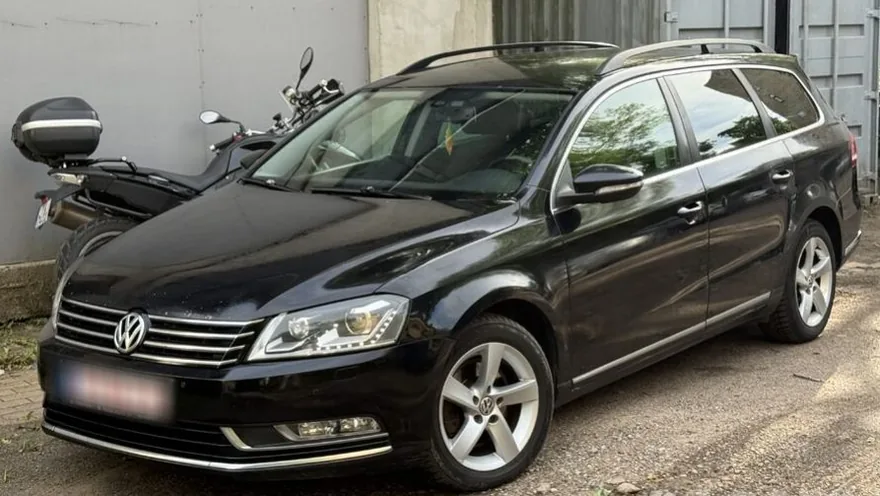
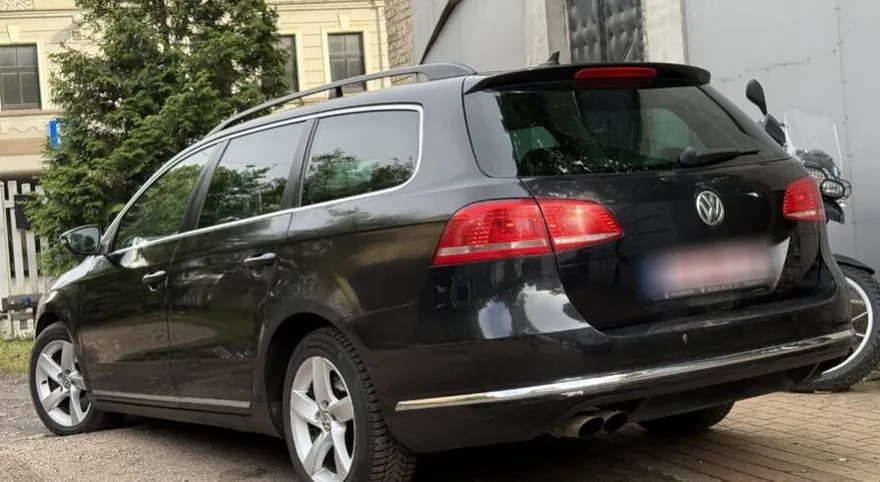
Volkswagen Passat
B7 (2010 to 2014) 615 checks typically ~€6,000 to €10,000
Few cars pile on motorway miles like the Passat. It is the long distance saloon and estate that company fleets and families buy in the thousands.
Common faults
- Oil consumption (1.8 and 2.0 TSI petrol). The EA888 engines can drink 1 to 2 litres per 10,000 km from worn piston rings and a failing PCV valve.
- Timing chain stretch (1.4 TSI). A rattle on cold start means the chain tensioner is failing. Left alone, it can jump and bend valves.
- DSG gearbox. The 7 speed dry clutch (DQ200), especially before 2013, hesitates, judders and can fail at its control unit. The 6 speed wet box (DQ250) is far tougher.
- Diesel DPF and EGR (2.0 TDI). A great long hauler, but the filter and EGR valve clog on short city trips, and the dual mass flywheel rumbles at higher mileage.
What to look for on a viewing: Cold start it yourself and listen for a top end rattle. Check the dipstick and ask for oil top up records. On a slow drive feel for jerky or hesitant gear changes. Make sure no DPF or engine light is on, and check the passenger footwell and boot well for damp, a sign of blocked drains soaking the electrics.
Our take: A comfortable, durable car when it is the right engine and gearbox and it has been serviced on time.
Sources: cars-expert, Haynes
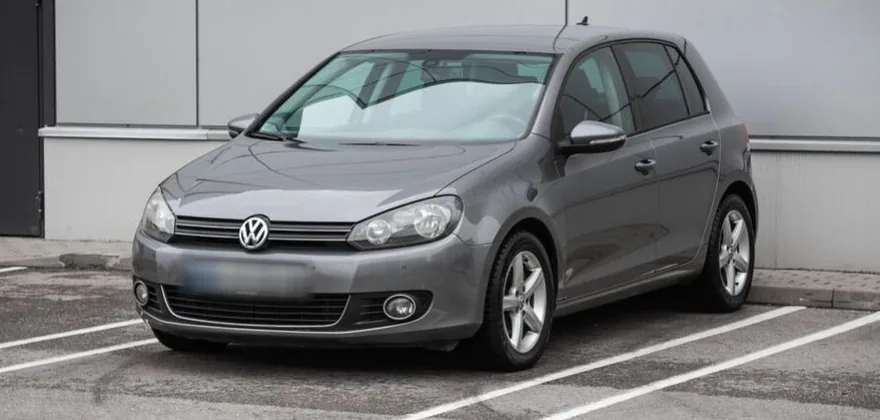
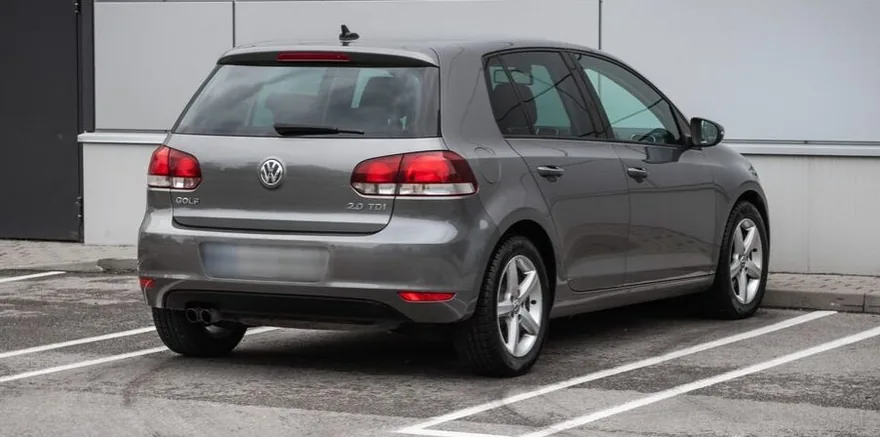
Volkswagen Golf
Mk6 (2008 to 2012) 339 checks typically ~€5,000 to €8,500
The Golf is the hatchback nearly everyone ends up considering. The Mk6 is plentiful and cheap to run, as long as you pick the right engine.
Common faults
- Timing chain stretch (1.4 TSI). The EA111 petrol chain tensioner wears, giving a cold start rattle that can wreck the engine if ignored.
- DSG gearbox. The 7 speed dry clutch (DQ200) judders and can fail at its control unit. The 6 speed wet box is much tougher.
- Diesel EGR and DPF (1.6 and 2.0 TDI). The EGR cooler fails and the particulate filter clogs on short city runs.
What to look for on a viewing: Cold start it and listen for a top end rattle. On a slow drive feel for jerky or hesitant gear changes. Check for a DPF or engine light, and prefer a full service history showing the chain and oil were looked after.
Our take: A solid hatch, but choose the engine carefully: a well kept diesel or a chain sorted 1.4 TSI.
Sources: HonestJohn, WhatCar, Carbuyer
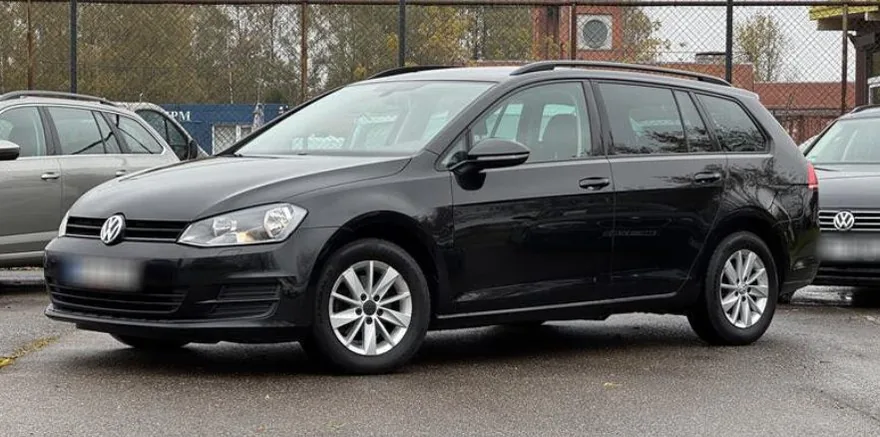
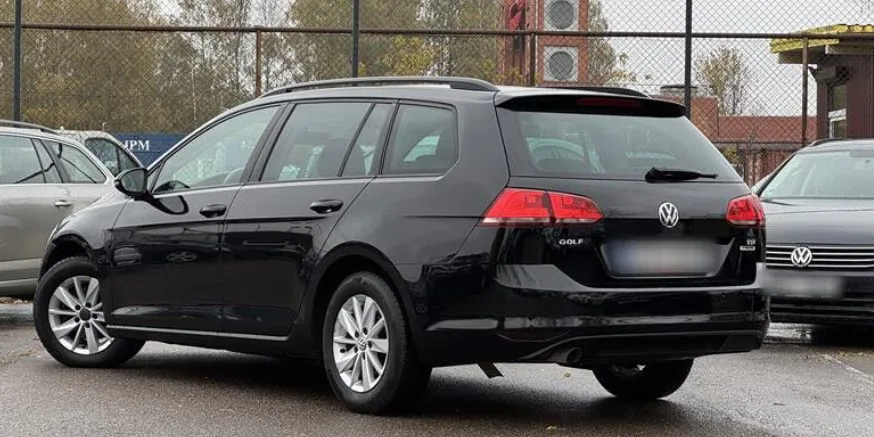
Volkswagen Golf Variant
Mk7 (2012 to 2019) 327 checks typically ~€9,000 to €15,000
Same Golf, much bigger boot. The Mk7 estate added real space and a noticeable jump in cabin quality, which is why so many families moved up to one.
Common faults
- DSG gearbox. The 7 speed dry clutch (DQ200), at its worst behind the 1.6 TDI, surges and shifts jerkily and can be costly to fix.
- Timing chain (early chain driven TSI only). A cold start rattle on early cars. Note that the common 1.4 TSI (EA211) is belt driven and not affected.
- Front suspension. Dampers can weep oil and bushes wear, giving a spongy ride and a clonk over bumps.
What to look for on a viewing: On a slow drive feel for DSG hesitation or surging. Listen at cold start on chain cars only. Bounce test the front corners and listen for knocks, and on cars built between 2013 and 2015 check the footwells for damp.
Our take: One of the safer choices on this list, especially the cars built after the 2016 facelift.
Sources: Carbuyer, Parkers, WhatCar, HonestJohn, Haynes
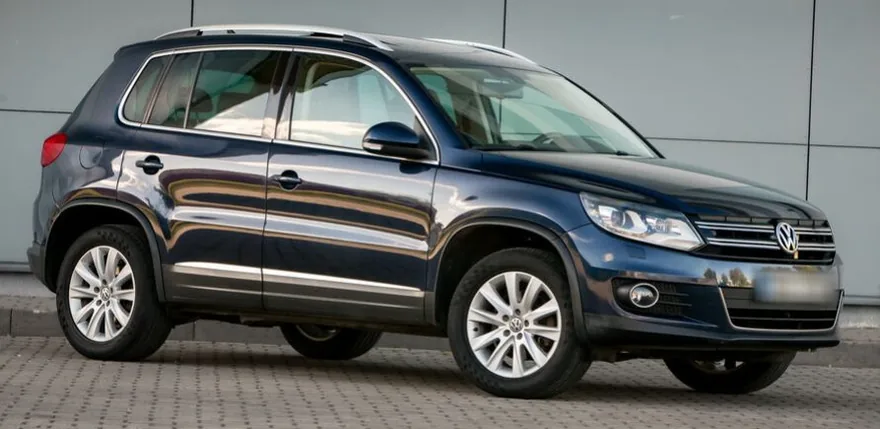
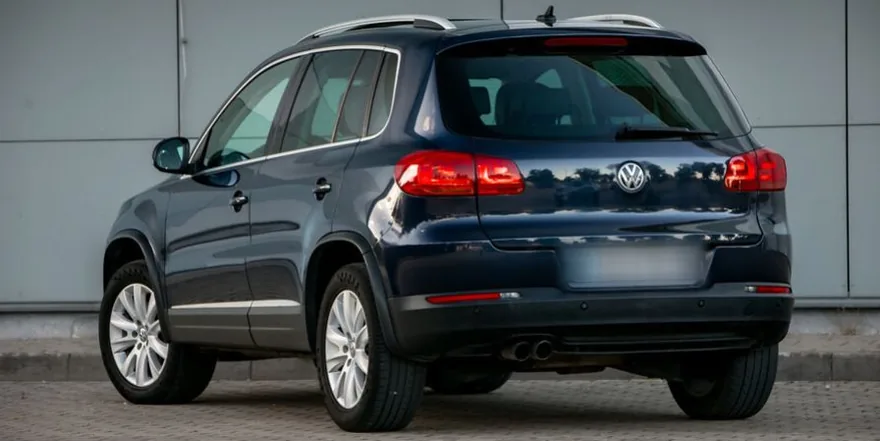
Volkswagen Tiguan
Gen 1 (2007 to 2016) 268 checks typically ~€7,000 to €12,000
The first proper VW crossover, and the car that got families out of estates and into a higher seat. Sensible more than exciting.
Common faults
- Timing chain tensioner (TSI petrol, before 2014). The early EA888 engines rattle on cold start, with serious damage if the chain jumps.
- Oil consumption (2.0 TSI). Worn piston rings and a failing PCV valve mean it can get through oil between services.
- Diesel DPF, EGR and DSG. The 2.0 TDI filters clog on short trips, and the dry clutch DSG autos suffer the usual faults.
What to look for on a viewing: Cold start for a chain rattle. Check the oil level and ask for top up records. Feel for jerky DSG shifts, and confirm no DPF or engine warning is showing.
Our take: Go for a well serviced example built after 2014, and check the timing chain tensioner was updated.
Sources: HonestJohn, eEuroparts, ShopDAP, ClickMechanic
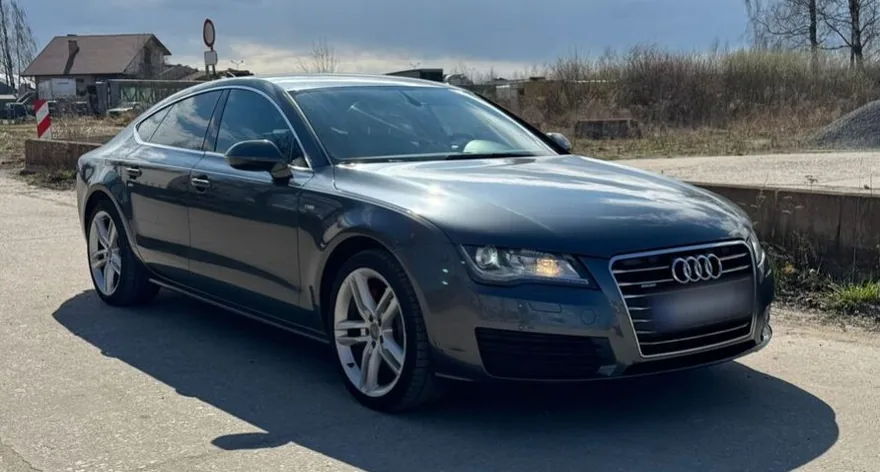
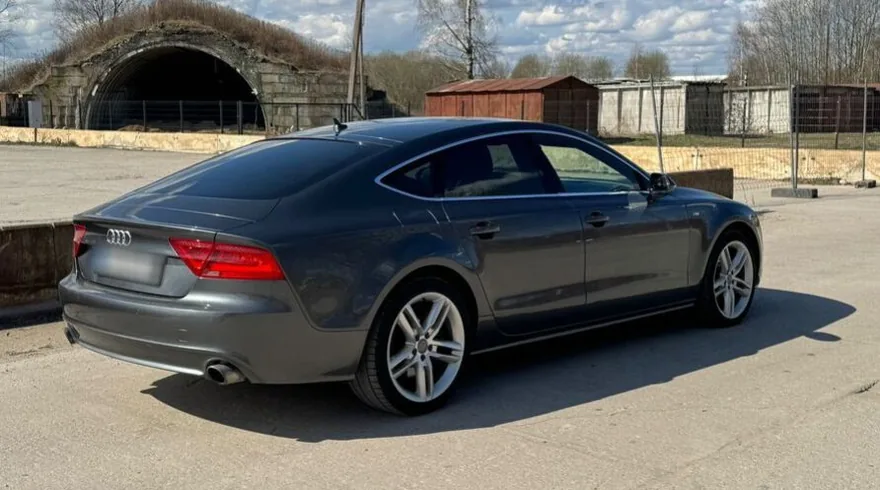
Audi A7 Sportback
C7 (2010 to 2018) 257 checks typically ~€13,000 to €22,000
The A7 is what you buy when you want a big saloon that looks like a coupe. Most came with plenty of extras, so used you get a lot of car for the money.
Common faults
- Timing chain tensioner. The 3.0 V6, petrol or diesel, and the 2.0 petrol can rattle on cold start at around 50,000 to 75,000 km.
- Transmission. The automatic gearbox, S tronic or Multitronic, can shift roughly, often from neglected fluid changes.
- Air suspension. Where fitted, the adaptive air springs and compressor leak and sag with age.
What to look for on a viewing: Cold start for a chain rattle. Check gear changes are smooth. Make sure the car sits level after standing overnight if it has air suspension, and confirm the infotainment and electronics all work.
Our take: Reliable overall for its class. The real risk is early 3.0 petrol cars and pricey suspension or electronics bills.
Sources: HonestJohn, WhatCar, cars-expert
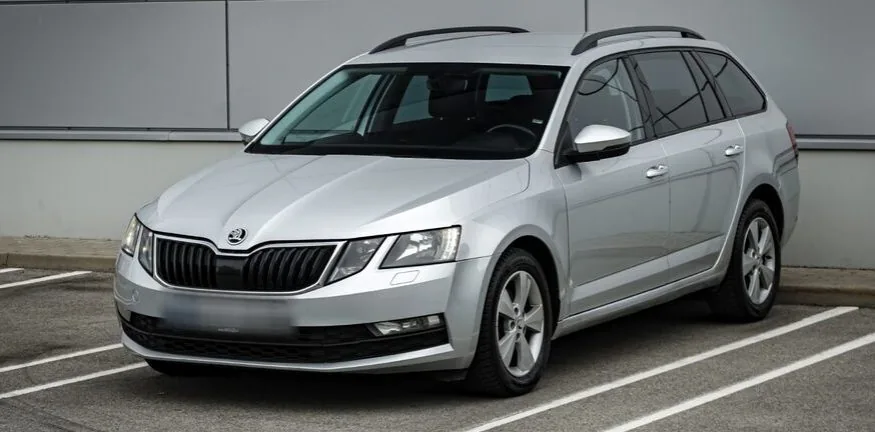
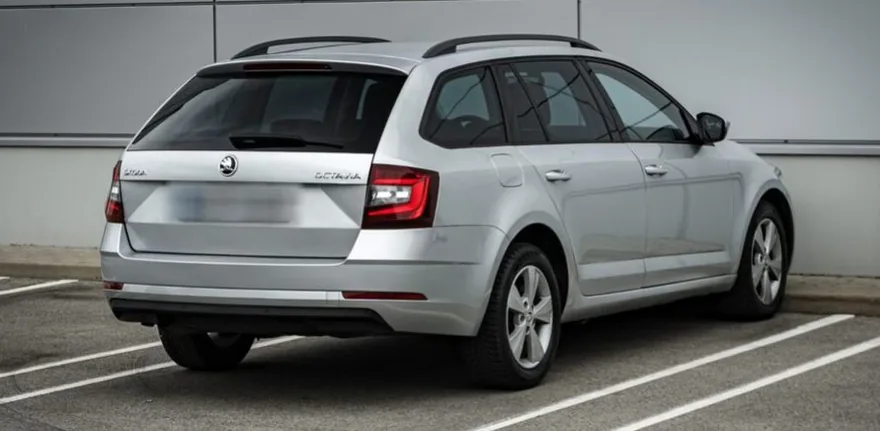
Škoda Octavia
Mk3 (2013 to 2020) 244 checks typically ~€8,000 to €13,000
The Octavia does almost everything a Golf does, with far more room, for noticeably less. That value is the whole reason it is everywhere.
Common faults
- DSG gearbox. The 7 speed dry clutch (DQ200) shifts jerkily and can fail at the clutch or its control unit.
- Water pump. The plastic pump leaks on both TSI and TDI engines, risking coolant loss and overheating.
- Diesel EGR and DPF. The 1.6 and 2.0 TDI filters and EGR valves clog on short city trips.
What to look for on a viewing: Feel for hesitant or jerky DSG shifts on a slow drive. Check the coolant level, and that the car warms up and holds temperature normally. Look for any DPF or engine warning. The 1.2 and 1.4 TSI petrols are belt driven, so there is no timing chain worry there.
Our take: Sensible, roomy and durable with the right engine and an honest service record.
Sources: HonestJohn, WhatCar
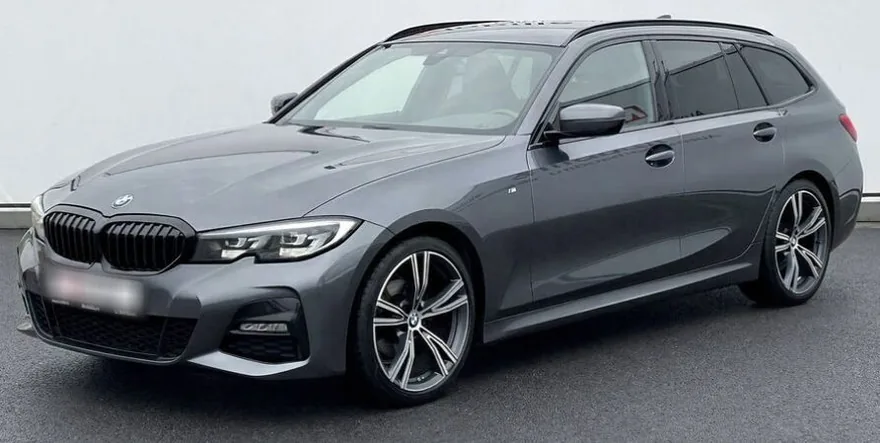
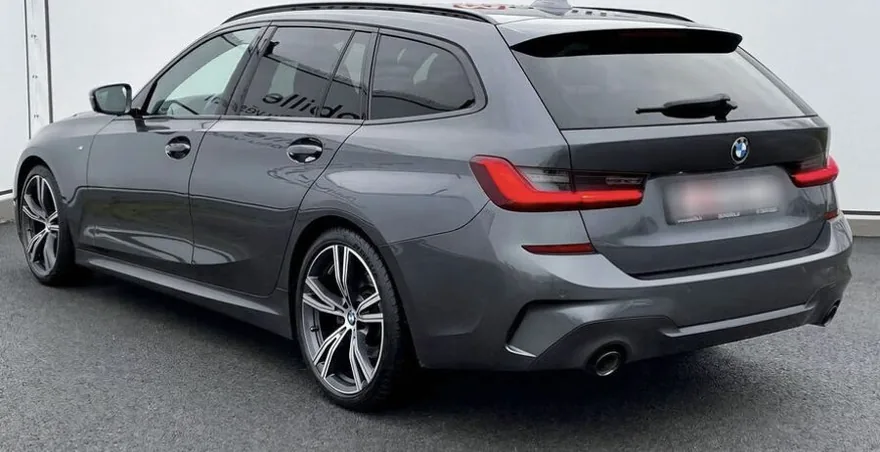
BMW 3 Series
G20 (2019 to 2024) 178 checks typically ~€24,000 to €36,000
The newest car on this list, and the one rivals are still trying to beat. Excellent to drive, and dependable so far.
Common faults
- Starter motor recall. Cars built between 2020 and 2022 had a fire risk recall, so make sure it was carried out.
- Diesel EGR cooler recall. A separate recall affected the diesel models around 2021 and 2022.
- Electronics. Mostly minor infotainment and software glitches rather than mechanical faults.
What to look for on a viewing: Ask for proof both recalls were completed. Check the infotainment screen, cameras and electronics all work, and do the usual panel gap and paint checks for past accident repair.
Our take: The safest pick on this list. Just confirm the recalls are done.
Sources: Autocar, BMW Blog, WhatCar, HonestJohn, NHTSA
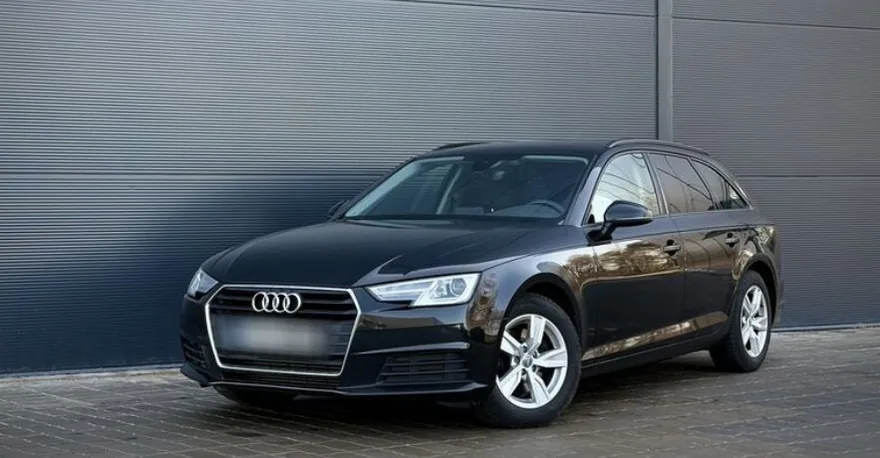
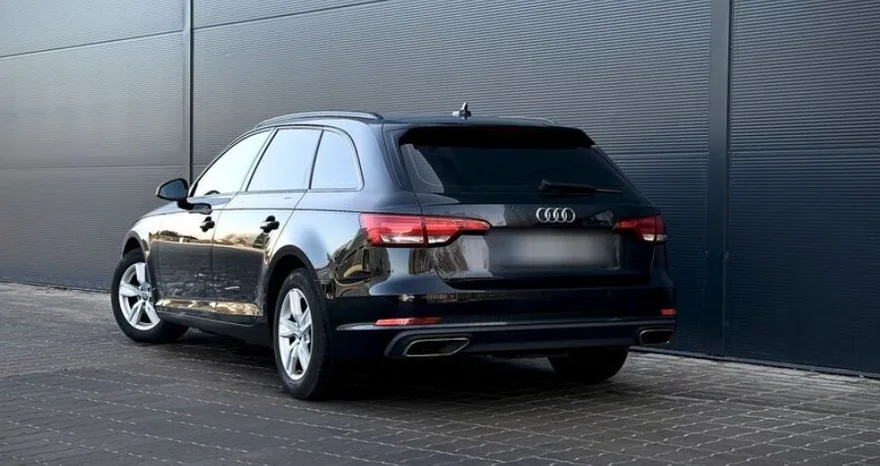
Audi A4
B9 (2015 to 2023) 177 checks typically ~€15,000 to €24,000
The Audi compact premium saloon at its most grown up. The B9 is quiet and efficient, and it turns up constantly on the used market as a German import.
Common faults
- Oil consumption (2.0 TFSI). Milder than the older B8, but the petrol can still use oil between services.
- Electronics. Infotainment glitches and the odd costly control unit or ABS fault.
- Transmission and diesel. The S tronic automatic can lurch at low speed, and the 2.0 TDI diesel throws DPF and AdBlue warnings.
What to look for on a viewing: Check the oil level and ask for top up history. Test the infotainment, cameras and electronics. Feel for smooth low speed gear changes, and make sure no DPF or AdBlue warning is showing.
Our take: A refined long distance car. The cars built from 2019 on, after the facelift, are the stronger buy.
Sources: WhatCar, HonestJohn, AutoDoc
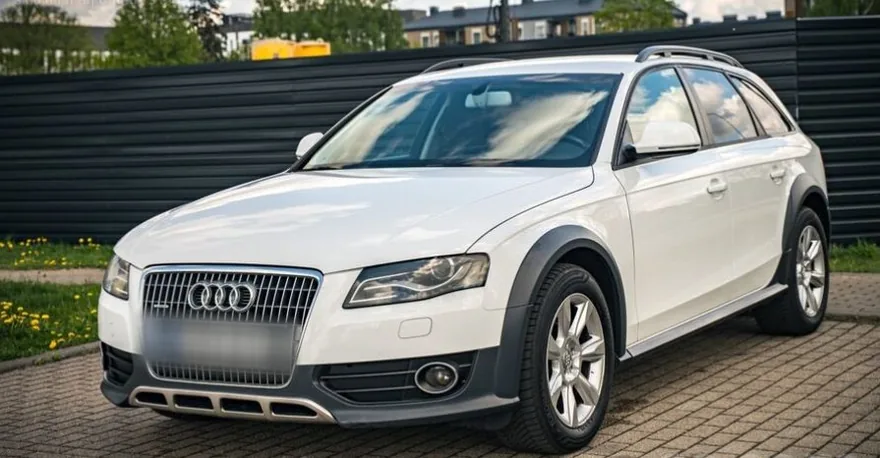
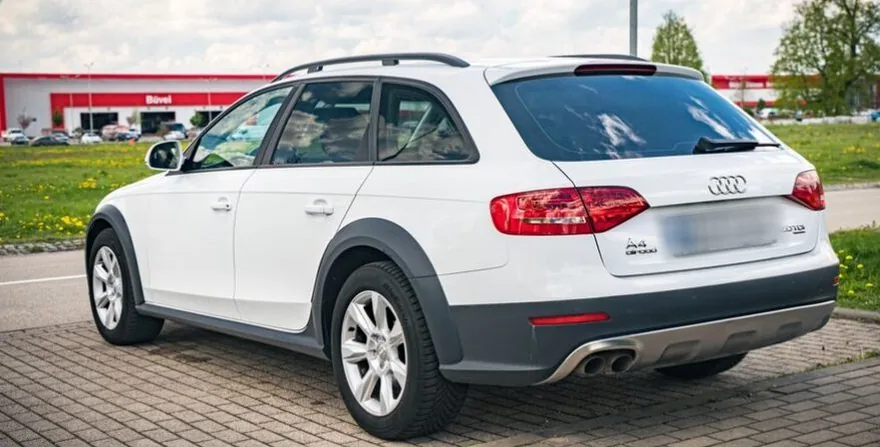
Audi A4 Allroad
B8 (2009 to 2016) 173 checks typically ~€9,000 to €15,000
Take an A4 estate, raise the suspension and add four wheel drive, and you get the Allroad, a middle ground for people who face rough roads but do not want a full SUV.
Common faults
- Oil consumption (2.0 TFSI). Worn piston rings make the petrol a heavy oil user, a well known B8 weak point.
- Timing chain tensioner. A cold start rattle that can let the chain jump and bend valves if ignored.
- Sensitive to servicing. It rides on steel springs, not air, so any lowered or raised setup is aftermarket, and skipped servicing shows quickly.
What to look for on a viewing: Check the oil level and consumption records. Cold start and listen for a chain rattle. Insist on a full service history, and confirm the four wheel drive system pulls cleanly with no clunks.
Our take: Early 2.0 TFSI petrols are the risk. Later cars and the diesels are the safer bet.
Sources: HonestJohn, FCP Euro, Motronix
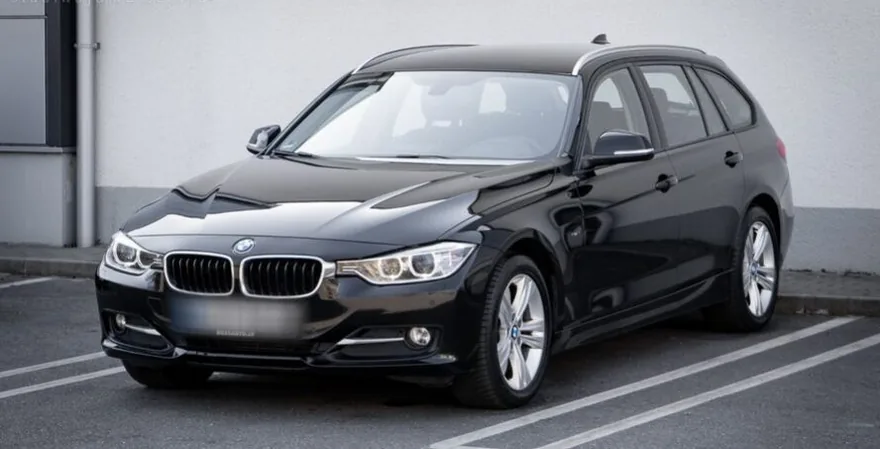
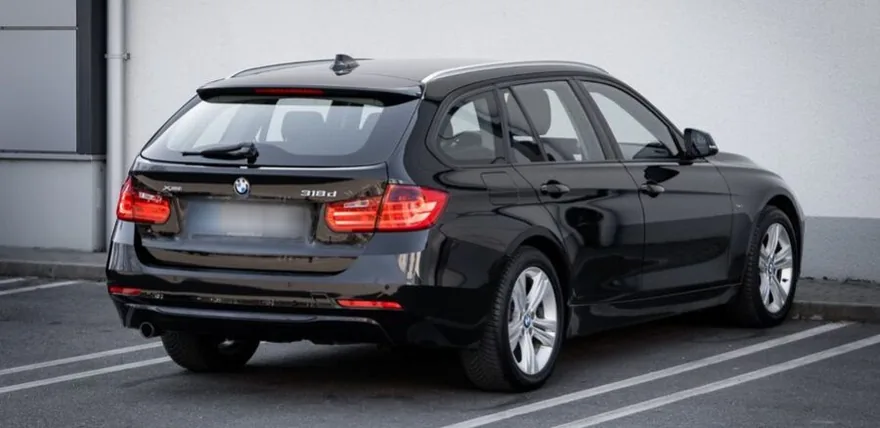
BMW 3 Series
F30 (2012 to 2019) 173 checks typically ~€10,000 to €15,000
The outgoing 3 Series, and still one of the best in its class to drive. Rear wheel drive, a strong badge, and plenty around, which means room to haggle.
Common faults
- Diesel timing chain. Much improved over the previous generation, but the chain can still wear on higher mileage cars.
- EGR cooler leak. An official recall covered coolant leaks on 328d diesels built between 2013 and 2017.
- Petrol water pump. The electric water pump on the petrol engine can fail at around 50,000 to 65,000 km.
What to look for on a viewing: On diesels, listen at idle for chain noise on higher mileage cars and check the EGR recall was done. On petrols, watch the temperature gauge and ask about the water pump. Check the service history throughout.
Our take: A great drive, and solid if the recall is done and it has been looked after.
Sources: HonestJohn, NHTSA, WhatCar, FCP Euro
The pattern
The same pattern runs through the whole list: German, mid size, mostly diesel, and usually imported. They even fail in the same ways: stretched timing chains, dry clutch DSG and S tronic gearboxes, oil hungry turbo petrols and clogged diesel filters. Learn those few weak spots, check the service history, and you have a handle on the cars most people actually buy.
Whichever service you use, run the VIN before you sign. On the most traded cars in Europe the fault list is public knowledge. The history of the one car in front of you is not.
Know before you buy
Mileage, damage, finance and import records across 30+ countries, in one report, in under a minute.
Not sure yet? See what a full report looks like first
Frequently asked questions
What is the most bought used car in Europe?
At model level the Volkswagen Golf leads, just ahead of the BMW 3 Series, with the Passat and Škoda Octavia close behind. Split by exact generation, the single most checked car in this data is the Volkswagen Passat B7 built between 2010 and 2014.
Why are so many of Europe's most popular used cars German?
The four big German brands make up 46 percent of the checks in this data, and that is before counting VW owned Škoda. Germany is the largest new car market in Europe, so it feeds the rest of the continent with used stock a few years later. Most of these cars are bought new in Germany and sold on across the EU.
Which faults show up across most of these cars?
Four keep repeating: stretched timing chains on early TSI petrol engines, jerky or failing 7 speed dry clutch DSG and S tronic gearboxes, oil hungry turbo petrols, and clogged DPF and EGR parts on diesels driven mainly in town. Learn those four and you have covered most of the list.
Is a high mileage German import a bad buy?
Not by itself. A motorway car with a full service history often wears better than a low mileage town car. The risk with an import is not the mileage, it is whether the mileage on the dial is the real one, because a border crossing is where the paper trail usually breaks.
How do I check one of these cars before I buy?
Run the 17 character VIN before you view the car. A history check shows the recorded mileage readings, damage and finance records and where the car has been registered, so you arrive already knowing whether the seller's story matches the record.
Where does this ranking come from?
It is based on 63,435 vehicle checks run through MrVIN. Because people almost always run a check when they are about to buy, the most checked cars are a good proxy for the most bought.
Sources
- MrVIN vehicle checks: 63,435 VIN lookups, aggregated by model and by exact generation. The ranking reflects how often each car is checked before a purchase.
- Owner and workshop fault reports: HonestJohn, WhatCar, Carbuyer, Parkers, Autocar and Haynes, for model specific fault patterns and buying advice.
- Recall records: NHTSA and manufacturer recall notices, for the BMW 3 Series starter motor and EGR cooler campaigns.
Read next