
Flood cars look fine in the photos. That's the danger.
A crash leaves dents behind. A flood leaves a car that looks perfectly normal, drives away without complaint, and starts developing problems months later. Here's why water damage is so hard to spot, and how to check for it before you buy.

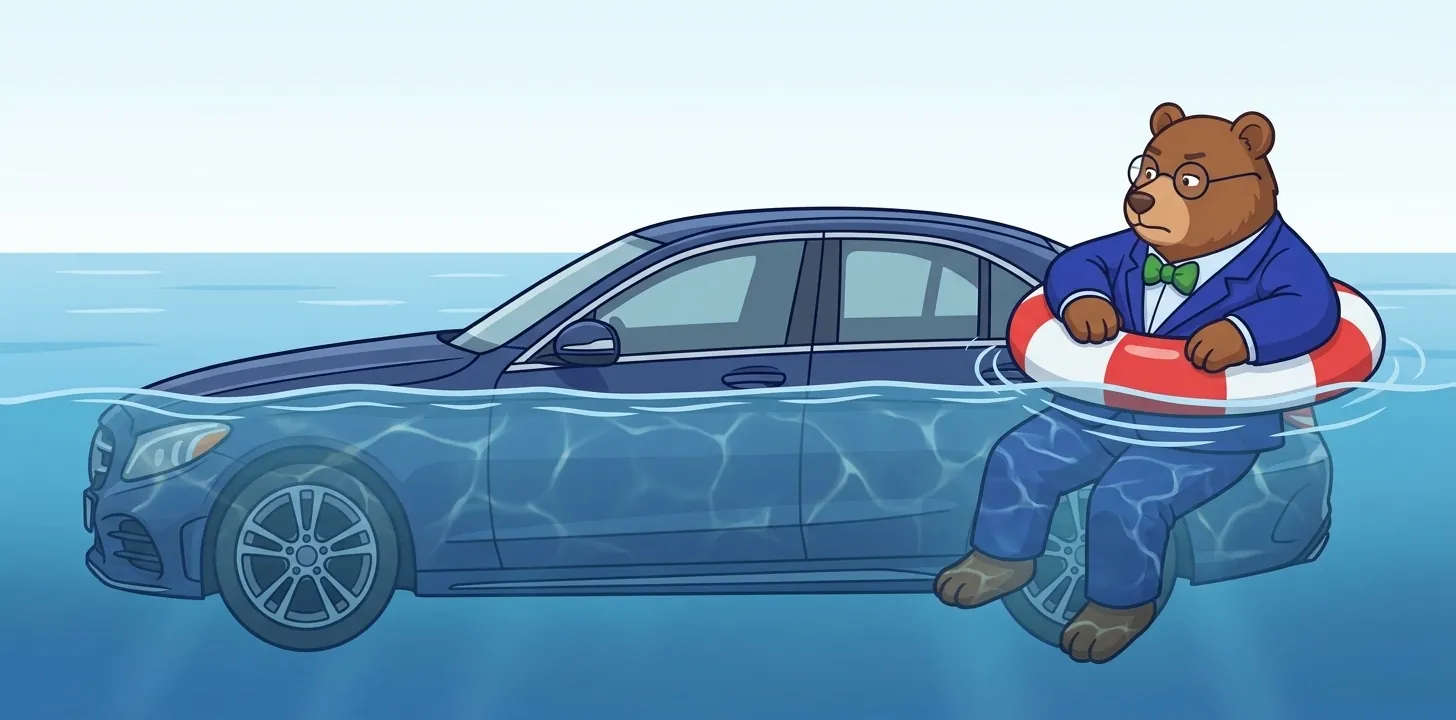
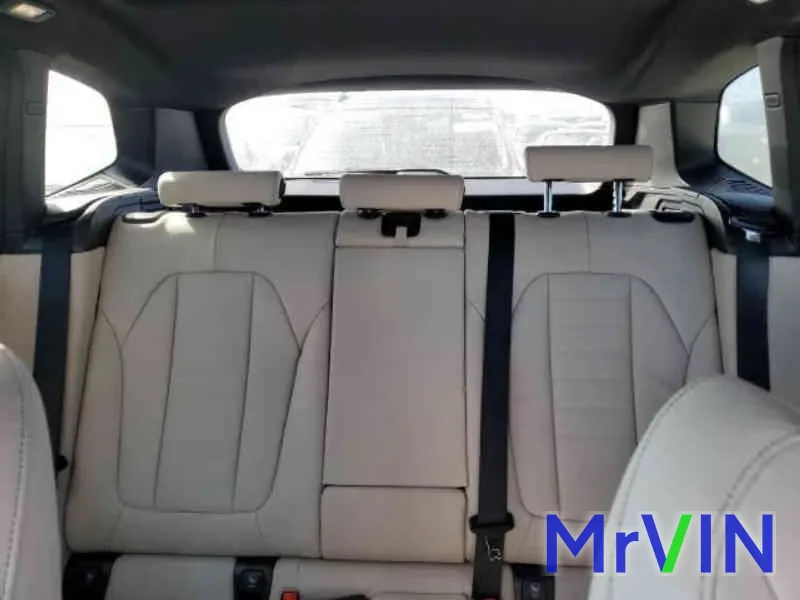
Every car in these photos was written off after a flood.
Take a look at the four photos above and try to spot the damage. You won't find it. All three cars were written off by their insurers after a flood, and all three later turned up in checks run by buyers in Europe.
The short version
- Water doesn't leave dents. Flood damage hides in wiring, connectors and control units, and it can take months before the problems appear.
- Auction photos are taken after the water has drained away, so a flooded car looks like any other used car.
- Two of the cars below carry a Florida Certificate of Destruction. Florida may never give them a title again.
- Salt water and an electric car's battery are a dangerous combination, even weeks after the flood.
- Flood history stays attached to the VIN record. It doesn't appear on European registration papers.
Skip ahead: check a car now·what to look for at a viewing
Before you hand over the money
See the auction, damage and mileage records behind the car. It takes less than a minute.
Example: WBA3A5G59DNP26082Free preview included
- 30+ countries
- Result in under a minute
- Full PDF report
Why water damage doesn't show
A crash is easy to spot in photos. Flood damage isn't.
When water gets into a modern car, it reaches places buyers never see in listing photos: the wiring looms and connectors, the control units mounted low in the cabin or under the seats, the carpets and the insulation beneath them, and the wheel bearings and brakes.
Then the car dries out and looks normal again. The damage doesn't stop when the water disappears. Corrosion carries on inside the connectors and wiring, and weeks or months later small faults start appearing one by one: a window stops working, a warning light comes and goes, a sensor starts reading wrong.
Salt water is much worse than rain water, because the salt keeps attacking the metal long after everything looks dry.
By the time a flooded car is photographed for auction, the water is gone. What's left is a car that looks clean and undamaged.
Three flood cars from our records
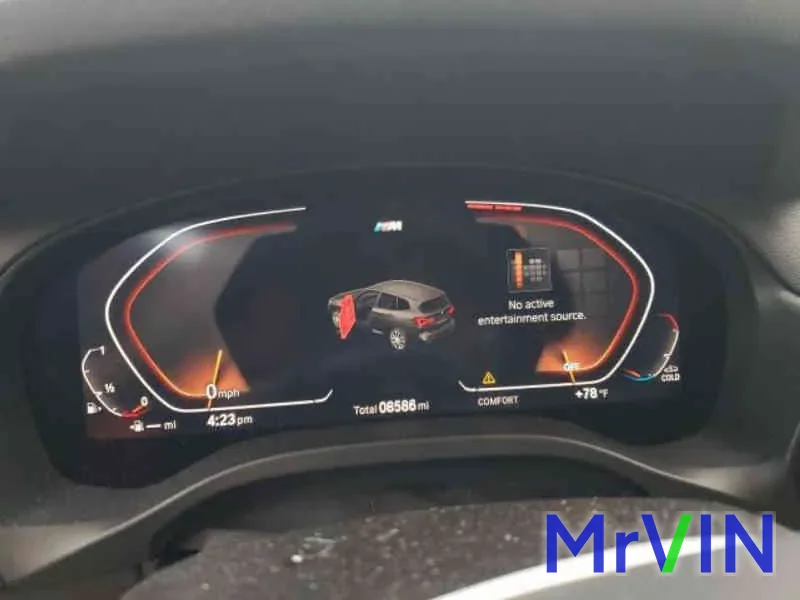
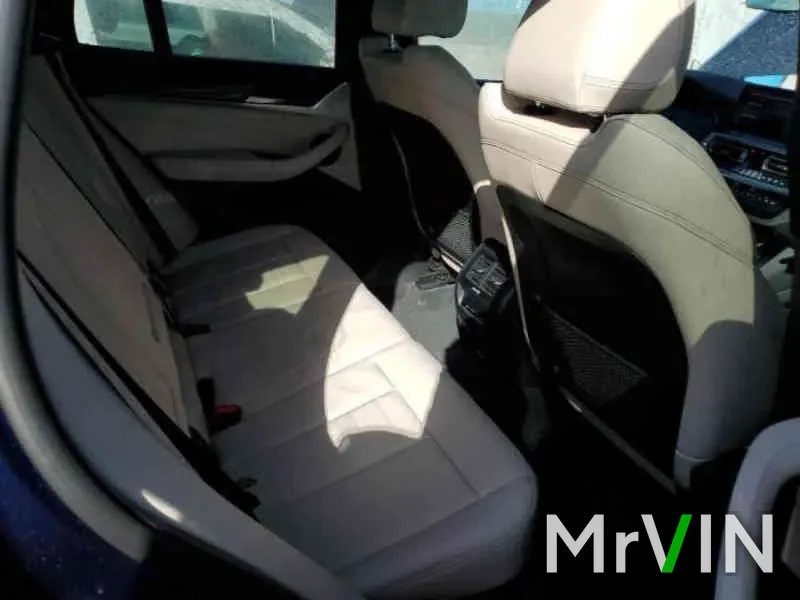
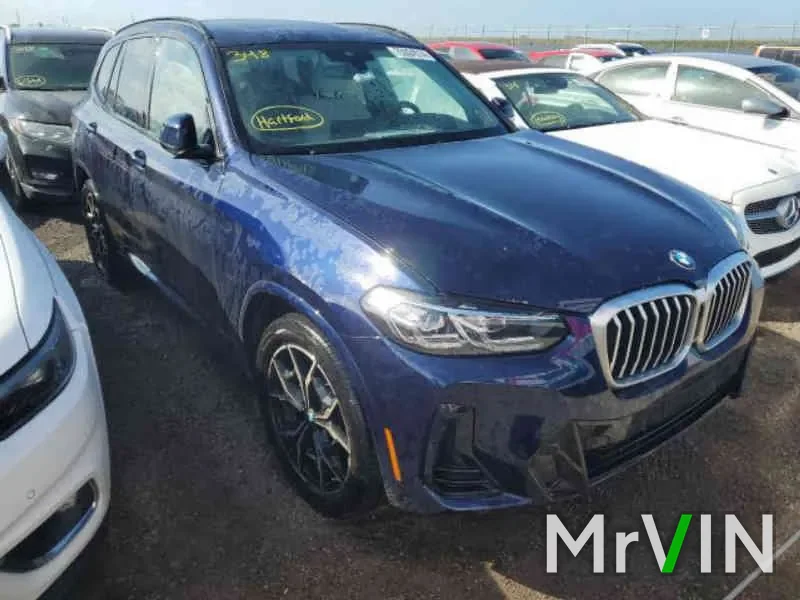
2024 BMW X3
US salvage auctionfloodFlorida Certificate of Destruction8,586 miles
Clean paint, clean leather and a dashboard reading just 8,586 miles. Florida has declared this car unrebuildable. Legally, it exists only to be dismantled or destroyed. From the photos alone, it looks ready to drive home.
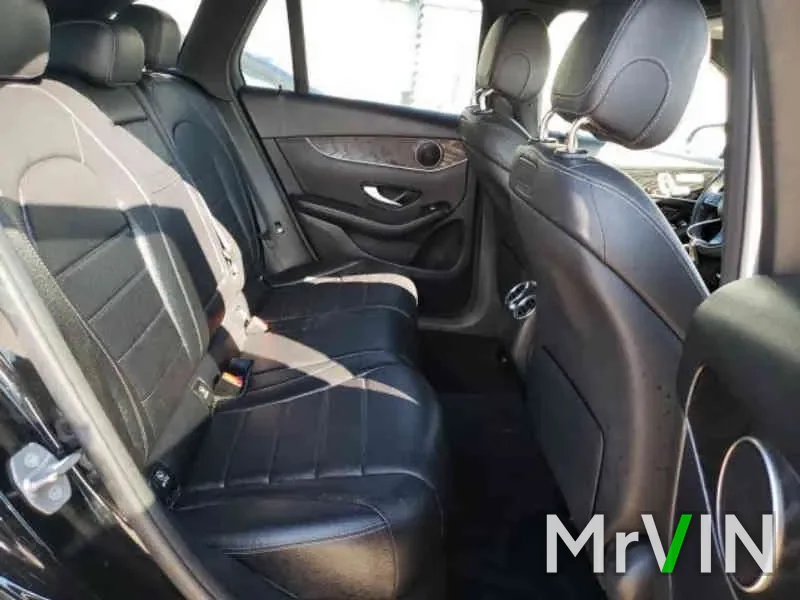
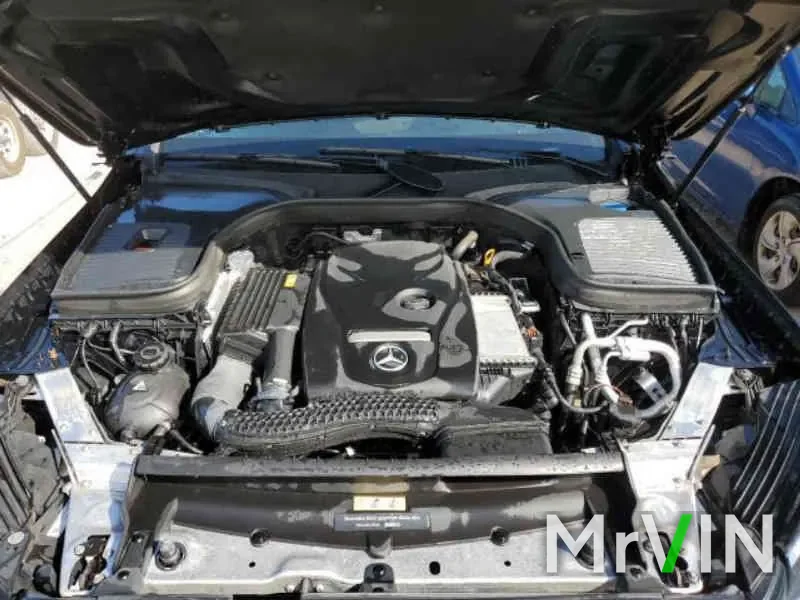
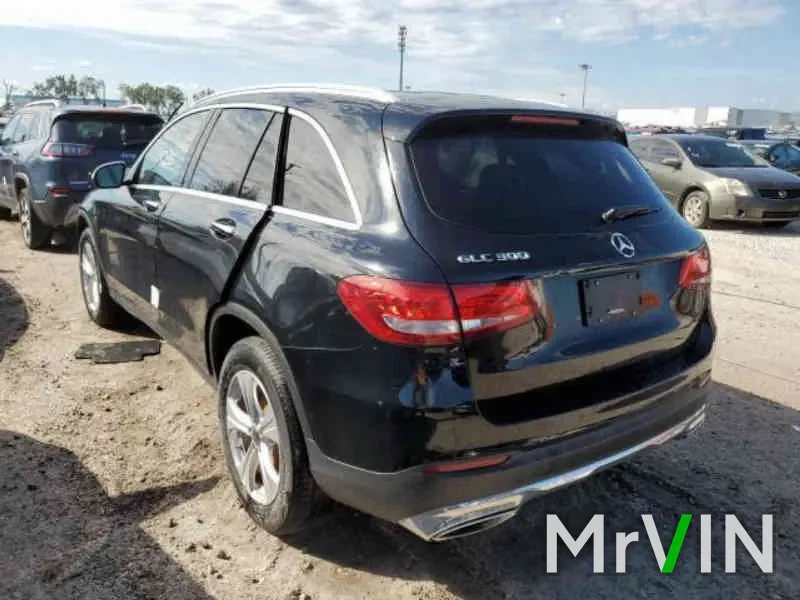
2017 Mercedes-Benz GLC
US salvage auctionfloodFlorida Certificate of Destruction
The same paperwork and the same showroom look. The seats are clean, the engine bay is tidy, and nothing you can see suggests the car was ever underwater.
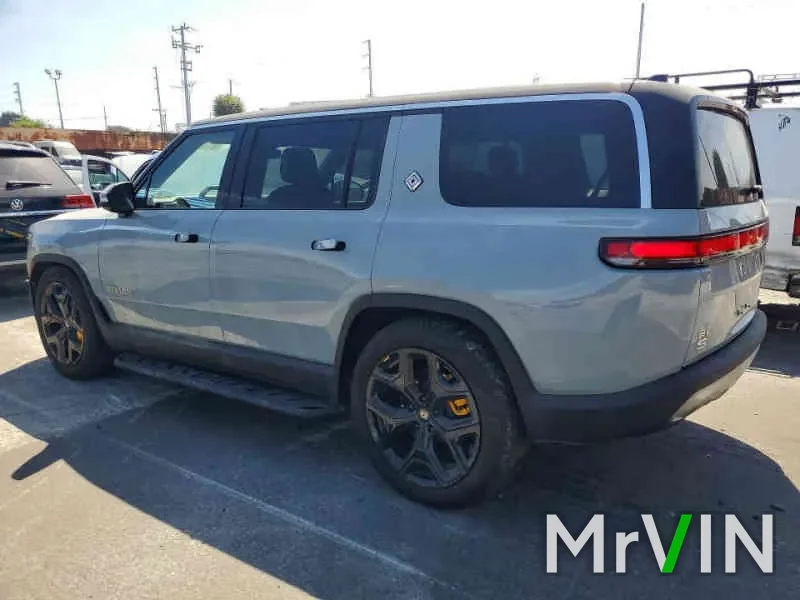
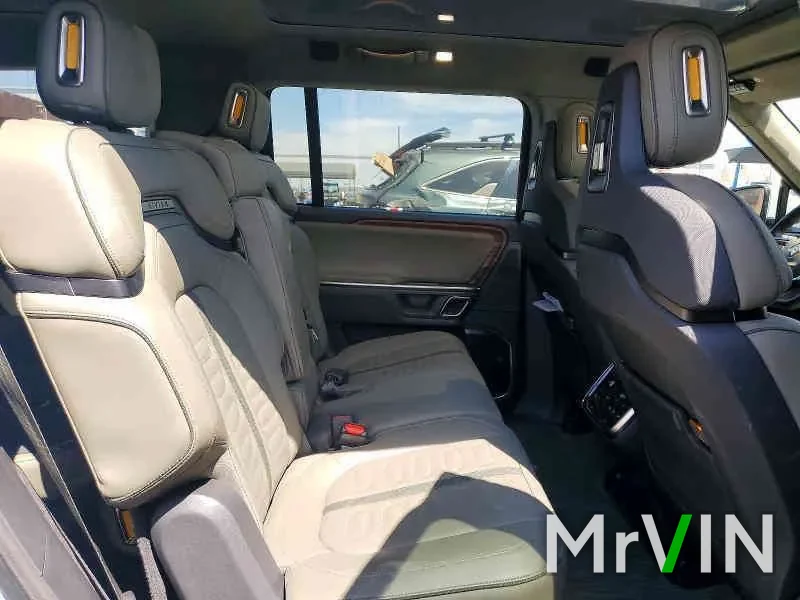
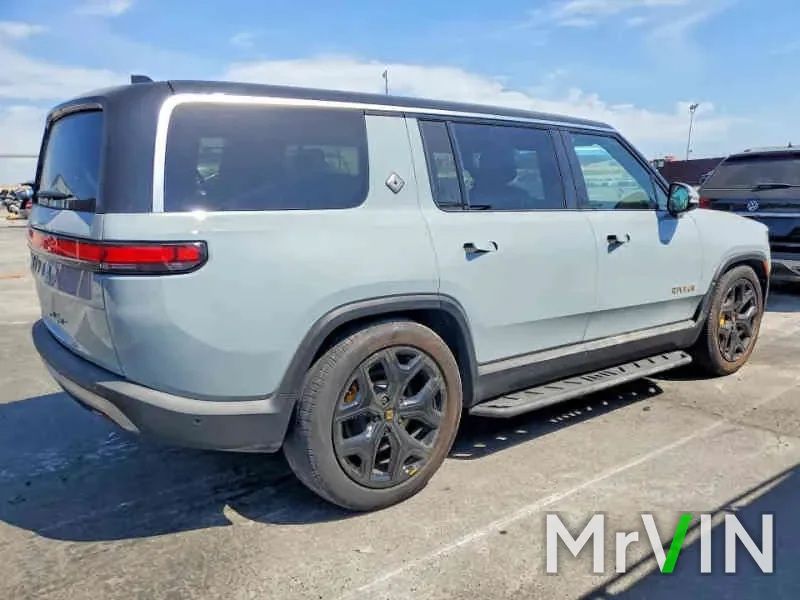
2023 Rivian R1S
US salvage auctionflood
An electric SUV with no visible damage inside or out. On an electric car, flood damage isn't just about corrosion. The battery brings a separate and much more serious risk.
What a Certificate of Destruction means
In Florida, when an insurer writes off a newer car and the repair would cost 90% or more of its value, the state declares the car unrebuildable and issues a Certificate of Destruction.
The certificate allows the car to be dismantled or destroyed. Florida law is blunt about what happens next: the state may not issue a title for that car again. In its home state, a car like the X3 above can never legally go back on the road.
That doesn't stop it being exported. A European registration document has no field for a US title brand, so nothing on the new paperwork says flood. The history survives only in the records attached to the VIN.
In Florida it can never go back on the road. That doesn't stop it being shipped somewhere else.
Why a flooded electric car is a bigger risk
Salt water and a charged lithium-ion battery are a dangerous combination.
When Hurricane Ian hit Florida in 2022, between 3,000 and 5,000 electric cars were affected. According to the US road safety agency NHTSA, 600 were written off and 36 later caught fire. NHTSA has warned that battery fires can start weeks after a car has been in salt water.
These fires are also hard to put out. In one case after Ian, a fire truck ran out of water within ten minutes on a single burning car, which later reignited.
Your ten minutes with the car
- Run the VIN before you travel to see the car. Flood titles and auction photos stay on the record even when the current paperwork looks clean.
- Close the doors and smell the cabin. Damp, mould or a strong air freshener should raise questions.
- Lift the carpets and the boot floor, and check the spare wheel well. Silt, sand, water stains or a tide mark don't belong in a dry car.
- Inspect the seat rails, the seat bolts and the pedal box. Rust there on a young car means water got in.
- Check the headlights and tail lights for condensation or a water line inside the lenses.
- Test every electrical feature, and test each one more than once: windows, seats, mirrors, lights, screens, sensors and air conditioning. Flood damage shows up as faults that come and go.
- Be cautious if an older car comes with brand new carpets or fresh seat covers.
- Look for signs the car came from the United States: a door jamb label stating it meets US federal safety standards, amber side reflectors, or a speedometer marked in miles. None of these proves a flood, but each is a reason to ask more questions about the car's history.
How to check a car's flood history by VIN
You'll find the VIN at the base of the windscreen on the driver's side, on the sticker inside the driver's door opening, and on the registration document. A MrVIN check shows:
- US salvage auction history, including the recorded damage type and auction photos where they exist.
- Damage and insurance claim records.
- Every recorded mileage reading, with its date and country.
- Previous registration history.
A flood that was never reported to an insurer and never appeared at auction leaves no record behind, so no VIN check can promise a car was never underwater. What a check can do is show you the floods that were written down, and every car on this page was written down somewhere along the way.
Before you agree a price
Find out whether the car has been underwater
Auction, damage, mileage and import records across 30+ countries, in one report, in under a minute.
- 30+ countries
- Under a minute
- Full PDF report
Not sure yet? See what a full report looks like first
Frequently asked questions
How can you tell if a car has been in a flood?
Check for damp smells, mould, water stains, silt under the carpets and rust on the seat rails or bolts. Look for condensation inside the lights and test every electrical feature. Most importantly, run the VIN, because flooded cars can look completely normal in photos and in person.
Can a flood damaged car be repaired?
Some can be dried out and made roadworthy again, but corrosion inside connectors, wiring and control units carries on long after the car dries. Problems appear gradually over months, which is why insurers write many flood cars off even when they look undamaged.
What is a Certificate of Destruction?
In Florida it is issued when a written off car is declared unrebuildable, for newer cars when the repair would cost 90% or more of the car's value. It allows the car to be dismantled or destroyed, and the state may not issue a title for it again.
Is a flooded electric car dangerous?
It can be. Salt water can damage a battery in ways that raise the risk of fire, and NHTSA has warned that these fires can start weeks after the flood. After Hurricane Ian, 36 flooded electric cars caught fire in Florida.
How do I check a car's flood history by VIN?
Enter the 17 character VIN in the MrVIN check. You'll see US salvage auction history with the recorded damage type and photos where they exist, damage and insurance claims, and every recorded mileage reading.
Sources
- MrVIN US salvage auction and damage records behind recent checks, September 2026
- Florida Statutes, section 319.30, on unrebuildable vehicles and certificates of destruction
- WUSF and WLRN, After Hurricane Milton, a growing risk: flooded electric cars going up in flames, 11 October 2024, citing NHTSA
Read next